Discover Advanced Drug Delivery Systems

The evolution of drug delivery systems has been pivotal in enhancing therapeutic efficacy and patient compliance. The development of advanced drug delivery systems (ADDS) represents a significant leap forward in pharmaceutical technology, enabling precise control over drug release profiles, targeted delivery, and improved bioavailability. These innovations address the limitations of conventional dosage forms, such as poor solubility, rapid metabolism, and systemic side effects. This article explores the principles, types, and applications of advanced drug delivery systems, emphasizing their role in transforming therapeutic paradigms.
Understanding Advanced Drug Delivery Systems
Advanced drug delivery systems encompass a broad spectrum of technologies designed to optimize the administration of pharmaceutical agents. These systems are engineered to deliver drugs at predetermined rates, specific sites, and desired durations, thereby maximizing therapeutic outcomes while minimizing adverse effects. The integration of nanotechnology, biomaterials, and controlled-release mechanisms has facilitated the creation of sophisticated delivery platforms.
Key characteristics of advanced drug delivery systems include:
Controlled release kinetics: Modulation of drug release to maintain therapeutic levels over extended periods.
Targeted delivery: Directing drugs to specific tissues or cells to enhance efficacy and reduce systemic exposure.
Improved stability: Protection of labile drugs from degradation prior to reaching the target site.
Enhanced patient compliance: Reduction in dosing frequency and minimization of side effects.
Examples of ADDS include liposomes, polymeric nanoparticles, microneedle patches, and implantable devices. Each system is tailored to address specific pharmacokinetic and pharmacodynamic challenges associated with the drug molecule and therapeutic indication.

Innovations in Advanced Drug Delivery Systems
The landscape of advanced drug delivery systems is continuously evolving, driven by interdisciplinary research and technological advancements. Several innovative approaches have emerged, offering new possibilities for drug administration:
Nanocarriers: Nanoparticles, including liposomes, dendrimers, and solid lipid nanoparticles, facilitate targeted delivery and controlled release. Their small size allows for enhanced permeability and retention in tumor tissues or inflamed areas.
Stimuli-responsive systems: These systems release drugs in response to specific physiological triggers such as pH, temperature, or enzymatic activity. For instance, pH-sensitive polymers can release anticancer drugs selectively in the acidic tumor microenvironment.
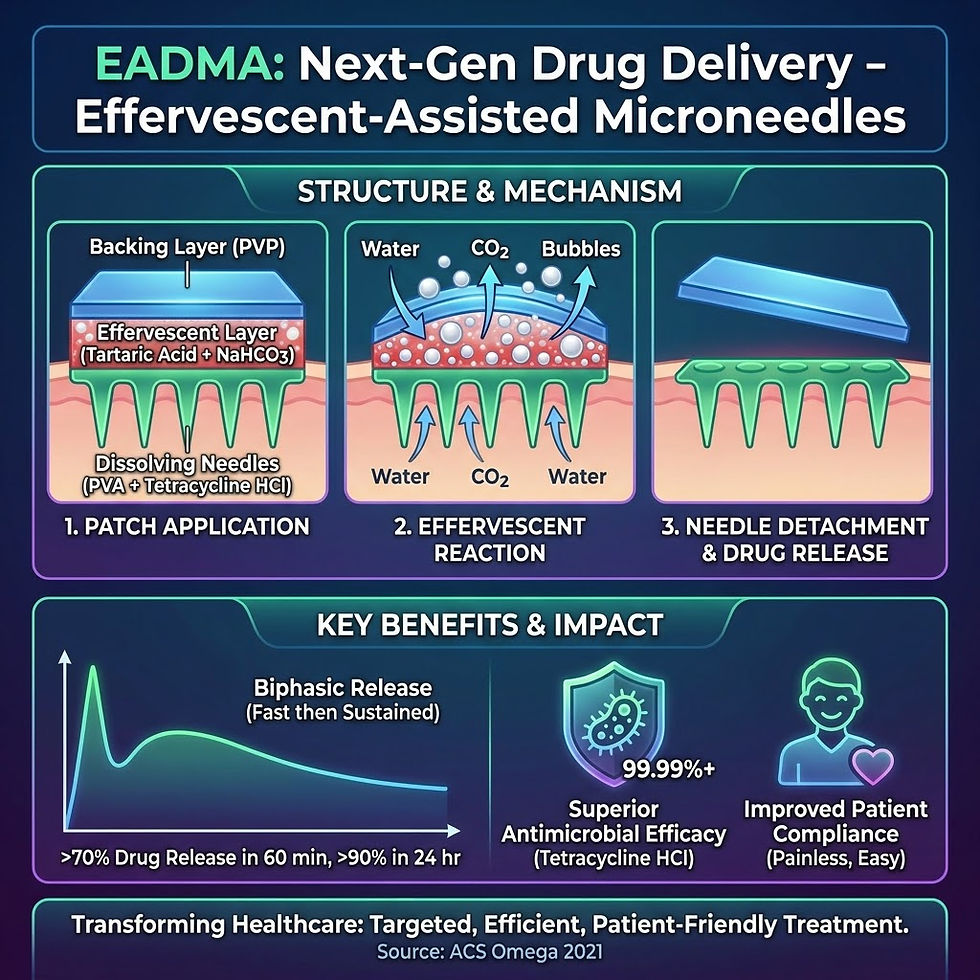
Microneedle arrays: These minimally invasive devices enable transdermal delivery of macromolecules like peptides and vaccines, bypassing gastrointestinal degradation and first-pass metabolism.
Implantable devices: Biodegradable implants provide sustained drug release over months or years, suitable for chronic conditions requiring consistent therapeutic levels.
3D-printed dosage forms: Customizable drug delivery devices fabricated via 3D printing allow for personalized medicine, adjusting dose and release profiles to individual patient needs.
The integration of these technologies with digital health tools, such as wearable sensors and smart pumps, further enhances the precision and adaptability of drug delivery.
What are some major CRO companies in the USA?
Contract Research Organizations (CROs) play a crucial role in the development and optimization of advanced drug delivery systems. In the United States, several prominent CROs specialize in pharmaceutical product development, offering comprehensive services from formulation design to clinical evaluation. These organizations provide expertise in regulatory compliance, analytical testing, and scale-up manufacturing, facilitating the transition from laboratory research to commercial production.
Notable CROs in the USA include:
Charles River Laboratories: Known for preclinical and clinical support, including formulation development and toxicology studies.
PRA Health Sciences: Offers integrated drug development services with a focus on clinical trials and regulatory strategy.
Covance (Labcorp Drug Development): Provides extensive pharmaceutical product development services encompassing bioanalytical and clinical pharmacology.
PPD (Pharmaceutical Product Development): Specializes in clinical research and drug delivery system evaluation.
ICON plc: Delivers end-to-end drug development solutions, including device testing and patient-centric delivery system design.
Collaboration with these CROs enables pharmaceutical and biotech companies to leverage specialized knowledge and infrastructure, accelerating the advancement of novel drug delivery technologies.

Practical Considerations in Developing Advanced Drug Delivery Systems
The successful development of advanced drug delivery systems requires meticulous attention to multiple factors spanning formulation, manufacturing, and regulatory compliance. The following considerations are critical:
Physicochemical properties of the drug: Solubility, stability, and molecular weight influence the choice of delivery platform.
Target site and route of administration: Selection of oral, parenteral, transdermal, or implantable routes depends on therapeutic goals and patient factors.
Release kinetics: Designing systems to achieve immediate, sustained, or pulsatile release profiles tailored to disease pathology.
Biocompatibility and safety: Materials used must be non-toxic, non-immunogenic, and compliant with regulatory standards.
Scalability and manufacturability: Processes must be amenable to large-scale production without compromising quality.
Regulatory pathways: Early engagement with regulatory agencies ensures alignment with guidelines for novel delivery systems.
Engagement with specialized pharmaceutical product development services providers can facilitate navigation through these complexities, ensuring robust and compliant product development.
Future Directions in Drug Delivery Technologies
The trajectory of advanced drug delivery systems is oriented towards greater personalization, integration with digital health, and exploitation of novel biomaterials. Emerging trends include:
Gene and cell therapy delivery: Development of vectors and scaffolds for precise delivery of genetic material and therapeutic cells.
Artificial intelligence (AI) in formulation design: Utilization of machine learning algorithms to predict optimal delivery system parameters.
Biodegradable and bioresorbable materials: Innovations in materials science to create delivery devices that safely degrade post-therapy.
Combination therapies: Co-delivery of multiple agents within a single platform to address complex diseases synergistically.
Patient-centric devices: Wearable and implantable systems that monitor therapeutic response and adjust dosing in real-time.
These advancements promise to enhance therapeutic precision, reduce healthcare costs, and improve patient quality of life.
Strategic Importance of Advanced Drug Delivery Systems
The integration of advanced drug delivery systems into pharmaceutical pipelines represents a strategic imperative for companies seeking competitive advantage. These systems enable differentiation of products through improved efficacy, safety, and patient adherence. Moreover, they facilitate the repurposing of existing drugs with suboptimal pharmacokinetics, extending product lifecycles and market potential.
Investment in research and collaboration with expert partners specializing in formulation and development is essential. Such partnerships ensure access to cutting-edge technologies and regulatory expertise, expediting time-to-market and optimizing commercial success.
The continuous refinement of advanced drug delivery systems aligns with the overarching goal of transforming complex therapeutic concepts into market-ready solutions that enhance patient outcomes and commercial performance.

Comments